
About Us
From Garage Hobby To Thriving Business
Family-Owned Coffee Roastery • Concord, California • Est. 2021

Our Story
Concord, California – What started as a hobby out of their garage and a dare from their two boys…
Turned their passion into a business has blossomed into Berk’s Beans Coffee; a growing, family-owned coffee roastery that is captivating coffee lovers nationwide. Founded in 2021 by Greg and Lori Berkowitz, Berk’s Beans is redefining what it means to enjoy a truly exceptional cup of coffee.
Berk’s Beans Coffee is built on a foundation of quality, care, and community.
Customers can customize their coffee experience by selecting their preferred beans and roast levels, with each order roasted to perfection and shipped within 72 hours. This commitment to freshness ensures every sip is an experience to savor.
The Science of Freshness
Coffee begins oxidizing immediately after roasting, and the peak flavor window is 7-21 days post-roast for most origins, according to Specialty Coffee Association (SCA) Brewing Guidelines (2023). Most commercial coffee is roasted 3-6 months before brewing—well past its prime. Ground coffee loses 60% of volatile aromatics within 15 minutes of grinding (Food Research International, 2019), which is why we roast to order and ship within 72 hours.
“Our boys challenged us to take the leap, and now our mission is to elevate the everyday coffee ritual into something extraordinary,” says co-founder Greg Berkowitz. “We are passionate about sourcing ethically grown beans from farmers around the world, showcasing the unique flavors of each origin.”
From offering private coffee tastings and educational events to supporting local fundraisers, Berk’s Beans Coffee is deeply rooted in community engagement. Their outreach efforts are matched only by their innovation, as they also offer private labeling and wholesale programs, empowering businesses to bring premium, customized coffee to their customers as their own brand.
What began as a daring idea in a garage has grown into a thriving business that continues to honor its humble beginnings. Berk’s Beans Coffee remains committed to delivering small-batch, artisan-quality coffee and building connections one cup at a time.
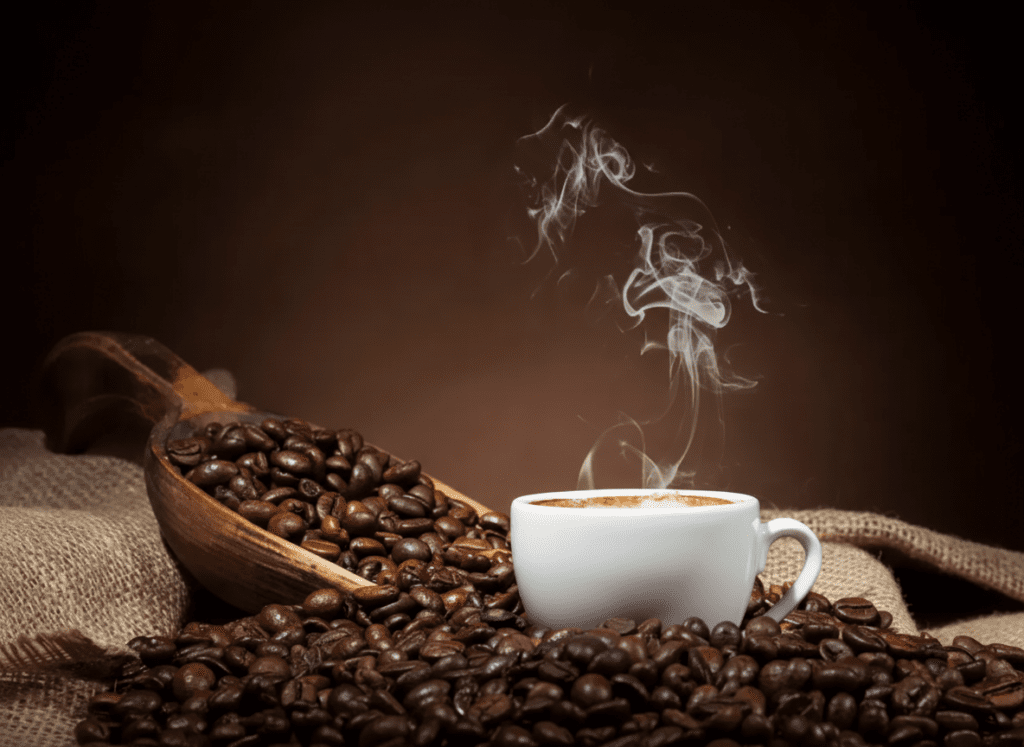
Our Ethical Sourcing Commitment
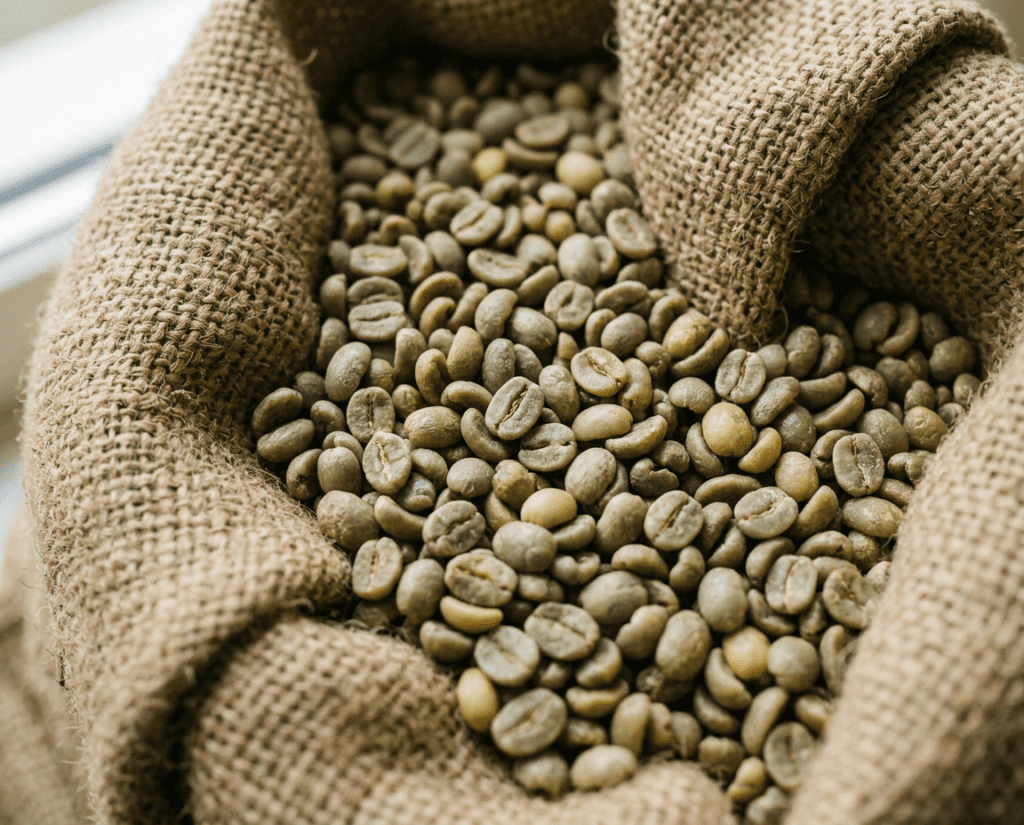
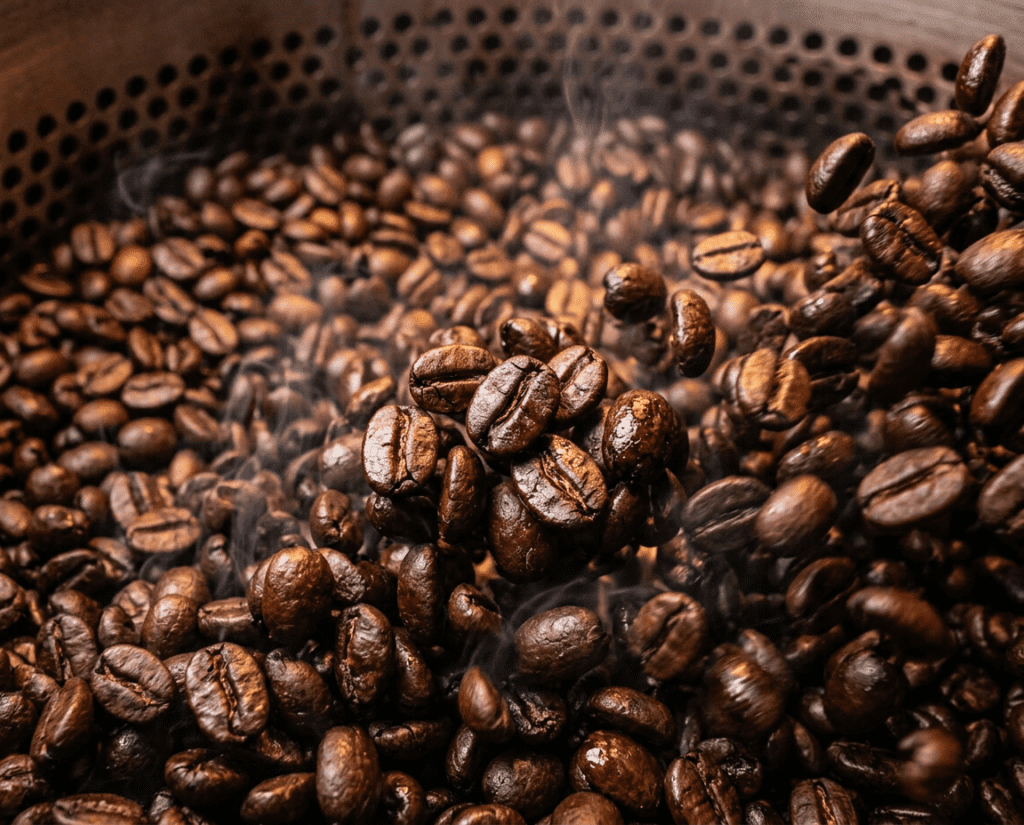
Certification Standards
USDA Organic Certification:
- No synthetic fertilizers, pesticides, or herbicides for 3+ years before harvest
- Soil health management through cover cropping, composting, crop rotation
- Annual inspection and certification by USDA-accredited certifiers
- Full documentation of all inputs and handling procedures
Rainforest Alliance Certified:
- Biodiversity conservation: Protection of natural ecosystems, no deforestation, wildlife habitat preservation
- Sustainable livelihoods: Decent working conditions, no child/forced labor, gender equity
- Climate action: Carbon sequestration, reduced emissions, climate adaptation practices
- Water conservation: Protection of water bodies, efficient water use in processing
Smithsonian Bird Friendly® — The Gold Standard:
- Considered the “environmental gold standard” in sustainable coffee production
- Maintains canopy height, diversity, and density for migratory bird habitat
- Supports 40+ migratory bird species
- Shade trees sequester 20-30% more carbon than full-sun plantations
- All Bird Friendly coffee must be certified organic
Fair Trade Certified™ (Fair Trade USA):
- Guaranteed Minimum Price: $1.80/lb for conventional arabica, $2.10/lb for organic arabica—acting as a safety net when market prices fall below sustainable levels
- Fair Trade Premium: Additional $0.20/lb paid to producer communities through Community Development Funds
- Labor Standards: Rigorous requirements ensuring safe working conditions, elimination of forced/child labor
- Environmental Protections: Standards for soil health, water conservation, biodiversity protection, restricted agrochemical use
Direct Trade vs. Fair Trade
We practice Direct Trade relationships with many of our origin farmers, which means:
- Relationship-Based: Direct relationships between roasters and farmers, often with regular farm visits
- Quality Focus: Premium prices tied to cup quality scores, not just certification minimums
- Transparency: Open pricing, often with farmers receiving 2-3x Fair Trade minimums
- Long-Term Partnerships: Multi-year contracts providing farmer stability
Fair Trade provides critical safeguards:
- Third-party certification with independent verification
- Price floor guarantee when C-market falls below threshold
- Fixed premium ($0.20/lb for coffee) for community development
- Broader accessibility to small-scale farmers through cooperatives
Farmer Compensation & Living Income
The Reality:
Conventional coffee market prices fluctuate wildly, often falling to $0.90-$1.50/lb at lows—below the cost of production for many smallholder farmers. The 2019 coffee price crisis saw prices fall below sustainable levels for farmers worldwide, triggering industry-wide commitment to equitable value distribution.
Our Commitment
- We pay 25-50% above Fair Trade minimums for our direct trade partners (SCA Sustainability Report, 2023)
- Our minimum price for arabica is $2.50/lb, well above the $1.80 Fair Trade floor
- For organic and specialty lots, we pay $3.00-$5.00/lb depending on cup quality
- We provide pre-harvest financing to select partners to bridge cash flow gaps
Living Income Context:
According to Specialty Coffee Association research, farmers typically need 2-3x conventional market price to achieve a sustainable livelihood that includes household expenses (food, housing, education, healthcare), farm reinvestment (equipment, inputs, labor), and emergency savings and retirement.
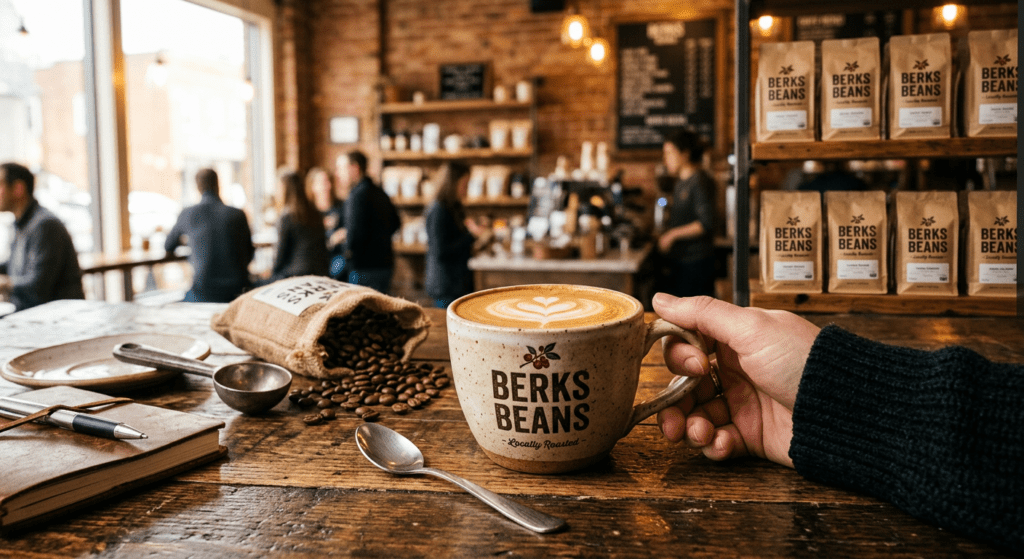
Environmental Stewardship & Origins
Shade-Grown Coffee Benefits
Much of our coffee is grown under shade canopy, which:
- Supports 40+ migratory bird species plus native wildlife
- Sequesters 20-30% more carbon than full-sun plantations
- Provides natural mulch through leaf litter, reducing erosion
- Enables natural pest control through birds and beneficial insects
- Protects coffee plants from heat stress
Historical Context:
Coffee traditionally grew under shade canopy. In the 1970s, a shift to sun-tolerant dwarf varieties increased yields but required heavy fertilizer inputs, frequent pesticide applications, and constant maintenance -resulting in habitat loss for migratory birds and degraded soil health.
Water Conservation
Water Footprint Context:
The average water footprint of coffee is approximately 18,900 liters per kg of roasted coffee (Water Footprint Network). However, this is mostly “green water” (rainfall). The processing method makes a significant difference:
- Washed Processing: Uses 20-40 liters of water per kg of cherries
- Natural/Dry Processing: Minimal water use, sun-dried
- Honey/Pulped Natural: Moderate water use
Our Partners’ Practices:
- Water recycling in wet mills
- Eco-pulper technology reducing water use by 80%
- Proper wastewater treatment to prevent contamination
Carbon Footprint Reduction
We actively work to reduce our carbon footprint through:
Sourcing shade-grown coffee that sequesters more carbon | Consolidated shipping & efficient logistics | Energy-efficient roasting technology | Compostable packaging & recycling programs
ORIGIN EDUCATION
Where Your Coffee Comes From
Ethiopia Yirgacheffe
The Birthplace of Coffee
Ethiopia is where Coffea arabica was discovered, and Yirgacheffe is one of its most celebrated regions.
- Altitude: 1,700-2,200 meters above sea level
- Processing: Primarily washed, some natural
- Flavor Profile: Floral (jasmine, bergamot), Citrus (lemon, orange), Stone fruit (peach, apricot), Tea-like body, Bright, wine-like acidity
Cultural Significance: Heirloom varieties grown wild, Traditional coffee ceremony culture, Smallholder farmers dominate production
Colombia
Colombia is the world’s third-largest coffee producer, known for consistent quality.
Growing Regions:
- Nariño: High altitude, volcanic soil, bright acidity
- Huila: Balanced, caramel sweetness, stone fruit
- Antioquia: Classic Colombian, nutty, chocolate
- Tolima: Complex, fruity, floral notes
- Cauca: Wine-like acidity, full body
General Characteristics: Altitude: 1,200-2,000 meters, Harvest: Primary crop October-December, mitaca April-June, Processing: Primarily washed, Flavor: Balanced, medium body, caramel/nut/chocolate notes
Mexico Chiapas Organic
Traditional Organic Farming
- Altitude: 900-1,800 meters
- Harvest: December-March
- Processing: Washed
- Flavor Profile: Light to medium body, Bright acidity, Nutty, chocolate notes, Citrus undertones
Organic Practices: Traditional farming methods without synthetic inputs, Shade-grown under diverse canopy, Compost and organic fertilizers, Smallholder cooperative model
Central American Terroir
- Guatemala: Volcanic soil, high altitude — full body, chocolate, spice notes
- Honduras: Emerging quality producer — sweet, balanced, fruit-forward
- Costa Rica: Advanced processing technology — clean, bright, complex cups
- Nicaragua: Volcanic regions, varied microclimates — sweet, balanced, chocolate-caramel
- El Salvador: Bourbon varieties, high altitude — sweet, complex, fruit-forward

The Berk’s Beans Difference: Roast-to-Order Freshness
The Science:
- Coffee begins oxidizing immediately after roasting (Journal of Agricultural and Food Chemistry, 2021)
- Peak flavor window: 7-21 days post-roast (SCA Brewing Guidelines, 2023)
- Oxygen exposure accelerates staling by 40% within 48 hours (Postharvest Biology and Technology, 2021)
Our Promise:
Every order is roasted to perfection and shipped within 72 hours. When you receive our coffee, you’re getting it at its peak – not weeks or months past its prime.
Small-Batch Quality
Greg personally oversees every roast batch. We don’t roast to hide defects – we roast to highlight what makes each origin special. Our philosophy: let the bean speak for itself.
Roast Level Philosophy
Light roasts: Preserve origin character and unique flavor notes
Medium roasts: Balance origin flavor with caramelization for body
Dark roasts: Never burnt – should reveal chocolate and caramel, not ash
Community Connection
152+ Google Reviews at 4.9 Stars
Our customers know we deliver on our promises. From supporting local fundraisers to offering educational tastings and events, we believe coffee is about connection.
“The best part of my job isn’t the roasting – it’s watching someone’s face light up when they taste the difference that freshness makes.”
– Greg Berkowitz
Our Certifications & Memberships
Concord Chamber of Commerce | as of 2021
Specialty Coffee Association (SCA) | Supporting Member | as of 2022
Fair Trade Certified Supply Chain | as of 2023
USDA Organic Handling Certified | as of 2023
Sources & Citations
- Fair Trade USA Coffee Standards — https://www.fairtradecertified.org/
- USDA Organic Standards — https://www.ams.usda.gov/programs-certifications/organic
- Rainforest Alliance Coffee Certification — https://www.rainforest-alliance.org/business/crop/coffee/
- Smithsonian Bird Friendly Certification — https://nationalzoo.si.edu/migratory-birds/bird-friendly-coffee
- Specialty Coffee Association Sustainability Research — https://sca.coffee/research/sustainability
- Water Footprint Network — https://waterfootprint.org/
- SCA Brewing Guidelines (2023)
- Journal of Agricultural and Food Chemistry (2021)
- Food Research International (2019)
- Postharvest Biology and Technology (2021)