The best coffee scale for pour over reads to 0.1–1 gram, responds fast, has a built-in timer, and resists splashes. Because pour over lives and dies by your coffee-to-water ratio and timing, a good scale is the single tool that makes your brew repeatable. Here’s what to look for and…
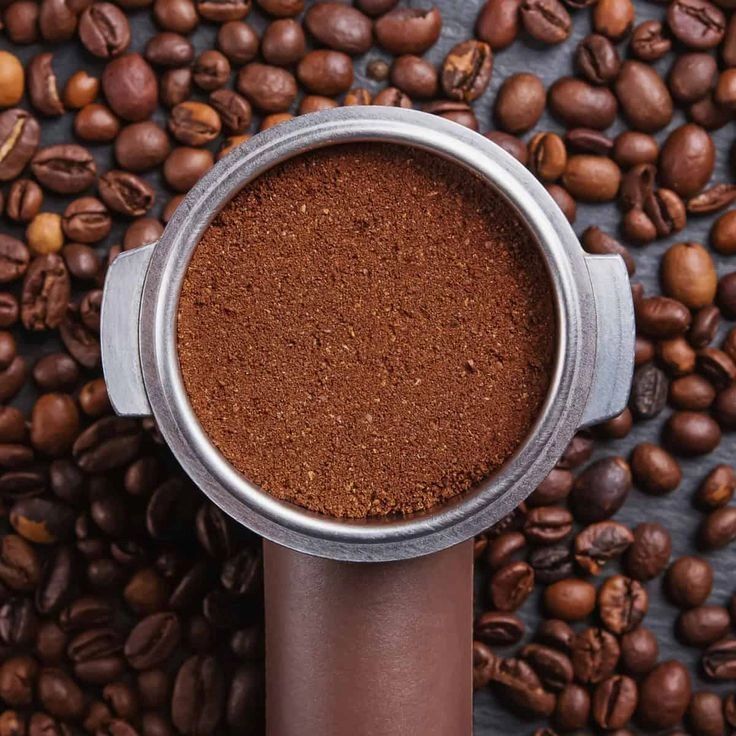
The best coffee beans for an espresso machine are fresh, medium-dark to dark roast beans with a chocolatey, full body — usually 100% Arabica, sometimes with a little Robusta for extra crema. The beans matter more than the machine: they drive flavor, crema, aroma, and strength. Here’s how to choose…
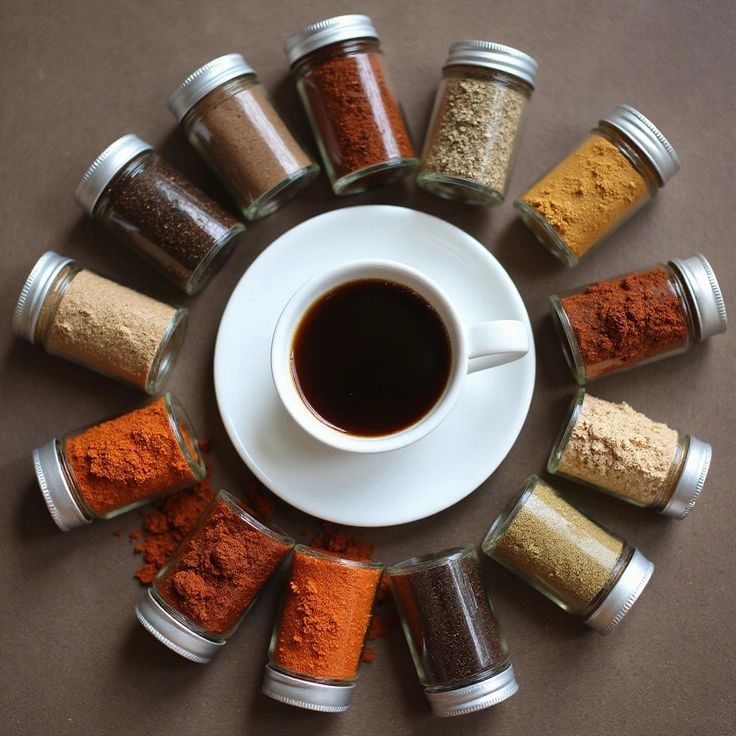
You can grind coffee beans without a grinder using a mortar and pestle, rolling pin, blender, food processor, or even the flat side of a knife. Each gets you close to a usable grind for your brewer — here’s which tool makes which grind, and how to use it. Why…
To descale a Keurig with vinegar, fill the reservoir with a 1:1 mix of white vinegar and water, run pod-free brew cycles until nearly empty, let it sit ~30 minutes, then run 4–6 water-only cycles to rinse. It’s a cheap, effective way to clear the mineral scale that slows brewing…
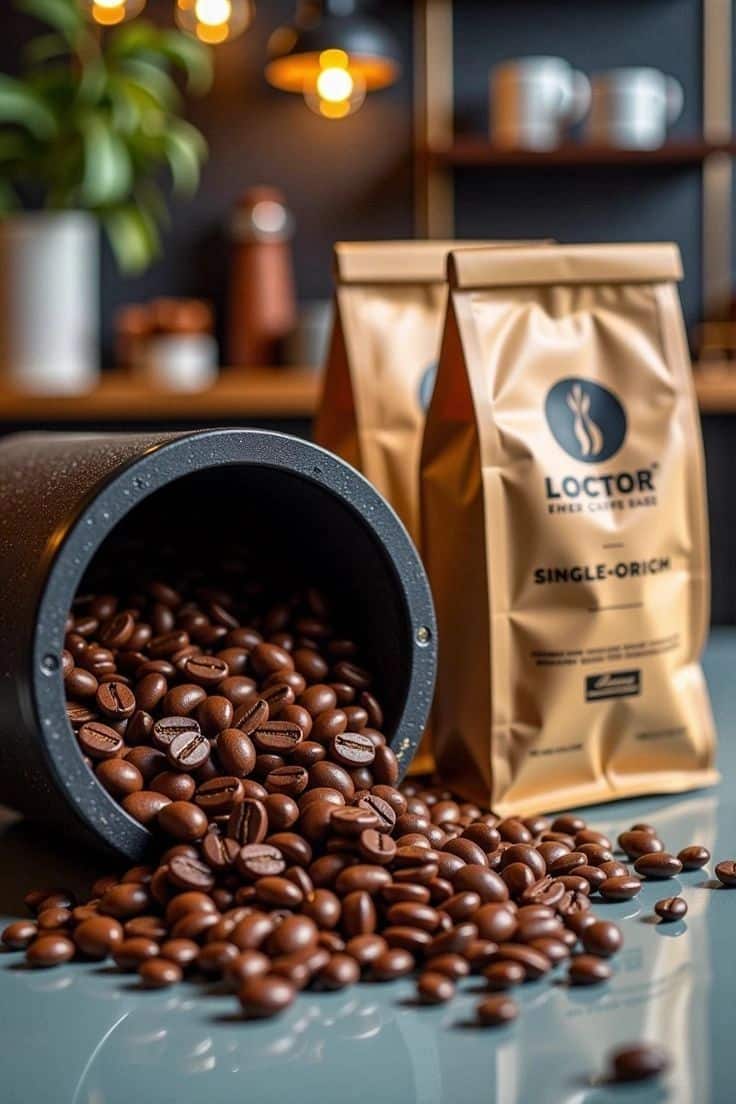
The best single-origin coffee beans come from one region, farm, or lot — so each cup reflects a distinct sense of place, from fruity Ethiopian Yirgacheffe to earthy Sumatra Mandheling. Unlike blends, single origins showcase the flavors that soil, altitude, and climate create. Here’s what to expect, which regions stand…
The best coffee thermos for work is vacuum-insulated stainless steel with a leak-proof lid, sized 12–20 oz to fit cup holders and bags, and easy to clean. It keeps your coffee hot for hours with no reheating or café runs. Here’s what to look for and how to get the…
The best decaf beans for espresso are fresh, medium-dark to dark roast beans decaffeinated by the Swiss Water or CO₂ process — methods that preserve body, crema, and flavor. Modern decaf can pull a rich, chocolatey shot with no caffeine crash. Here’s what to look for and how to brew…
Low-acid coffee is easier on a sensitive stomach because it contains fewer of the acids that trigger reflux and irritation. You get it three ways: choose naturally low-acid origins (like Brazil or Sumatra), go for a darker roast, and brew with methods like cold brew that pull less acid. Here’s…
The best non-dairy creamer for coffee is one that’s truly dairy-free, low in added sugar, blends smoothly without curdling, and matches your taste — with oat, almond, coconut, and soy being the most popular bases. Here’s how to choose the right one for your morning cup. Why Choose a Non-Dairy…
The best coffee beans for a drip coffee maker are fresh, medium-roast Arabica beans — smooth, balanced origins like Colombia, Brazil, or Costa Rica work beautifully. Drip brewing can’t mask flaws, so freshness and balance matter most. Here’s how to choose the right beans and get a clean, flavorful cup…