
Two species dominate the coffee world: Arabica and Robusta. The short version — Arabica is smoother, sweeter, more complex, and more expensive; Robusta is bolder, more bitter, higher in caffeine, and cheaper. Neither is simply “better”; they suit different tastes and uses. Here’s the full comparison, from flavor and caffeine to price and brewing.
Arabica vs Robusta at a Glance
| Arabica | Robusta | |
|---|---|---|
| Flavor | Smooth, sweet, complex — fruit, nuts, chocolate | Bold, earthy, bitter — woody, nutty |
| Caffeine | Lower (~1.2%) | Higher (~2.2%, nearly double) |
| Acidity | Higher, bright | Lower, easier on the stomach |
| Body / crema | Lighter body | Heavier body, thick crema |
| Grows at | High altitude, cool climates | Low altitude, warm climates |
| Price | Higher | Lower |
| Best for | Black coffee, pour-over, drip | Espresso blends, instant coffee |
Origin and History
Arabica (Coffea arabica) traces to the highlands of Ethiopia, where — as legend tells it — a goat herder noticed his goats’ energy after eating coffee cherries. It spread to Yemen, then to Europe and the Americas, and became the first species cultivated for drinking. Robusta (Coffea canephora) was discovered later in Central and Western Africa’s Congo Basin, gaining ground in the 19th century when leaf-rust disease wiped out Arabica crops across Asia. Robusta survived where Arabica couldn’t, and today Vietnam is the world’s largest Robusta producer.
Taste and Aroma

- Arabica: Light, sweet, and complex, often with hints of fruit, nuts, and chocolate and a fragrant, floral aroma.
- Robusta: Strong, earthy, and slightly bitter, with woody and nutty tones, a heavier body, and less acidity.
Why the difference? Arabica beans have nearly twice the sugar and about 60% more lipids than Robusta — compounds that boost sweetness and aroma. Robusta’s lower sugar content gives it that harsher, more bitter edge.
Caffeine Content
Robusta contains almost twice the caffeine of Arabica. That’s partly why it tastes stronger and more bitter — and caffeine also acts as a natural insect repellent, helping Robusta resist pests in tropical lowlands. If you want to go deeper, see how much caffeine is in a coffee bean.
Where Each One Grows
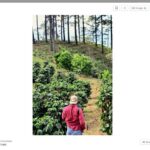
Arabica grows mainly in Latin America, East Africa, and parts of Asia, needing rich soil, cool temperatures, and high altitude — Brazil (smooth, nutty), Colombia (balanced, caramel and citrus), Ethiopia (floral, fruity), and Costa Rica and Guatemala (bright, medium-bodied). Robusta thrives in warm tropical lowlands — Vietnam (bold, intense), Indonesia (earthy, full-bodied), and Uganda and Côte d’Ivoire (strong, common in espresso blends and instant coffee).
Price and Market Value

Arabica costs more because its demanding growing conditions, limited yields, and delicate processing raise production costs. Robusta’s hardiness allows large-scale production with fewer losses, making it cheaper and ideal for instant coffee and as a crema-boosting component in espresso blends. That said, high-quality Robusta from specific regions can taste excellent when roasted and brewed well — the price gap is about growing difficulty, not an absolute quality rule. (Curious why some coffees command a premium? See why Jamaican Blue Mountain is so expensive.)
Brewing and Best Uses
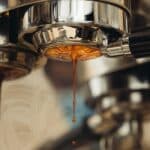
Arabica shines with methods that highlight subtlety — pour-over, drip, or French press — especially at light to medium roasts that preserve its floral and fruity notes. It’s the go-to for black-coffee drinkers who want clarity and smoothness. Robusta works best in espresso and blends, where its high caffeine and heavy body build thick crema and stand up to milk in cappuccinos and lattes. Many roasters blend the two — a common ratio is around 70% Arabica for aroma and 30% Robusta for strength and crema.
Health, Acidity, and Sensitivity
Both contain antioxidants that support overall health — Arabica is richer in chlorogenic acid, while Robusta delivers more caffeine. Arabica’s higher acidity gives it a brighter flavor, but people with sensitive stomachs often find Robusta (or a low-acid coffee) easier to tolerate. If reflux is a concern, see our guide to low acid coffee for a sensitive stomach.
Which Should You Choose?
- Choose Arabica if you want a smooth, nuanced, less bitter cup — especially for black coffee, pour-over, or drip.
- Choose Robusta (or a blend) if you want maximum strength, a bigger caffeine hit, thick espresso crema, or an easier-on-the-stomach, low-acid option.
At Berk’s Beans we roast primarily specialty-grade Arabica to order. Browse our coffees, roasted fresh in Concord, CA.
Frequently Asked Questions
Which coffee tastes better, Arabica or Robusta?
Most people find Arabica smoother and more aromatic, while Robusta is stronger and more bitter. It comes down to whether you prefer subtle complexity or bold intensity.
Is Arabica healthier than Robusta?
Both offer benefits. Arabica has more antioxidants like chlorogenic acid; Robusta has more caffeine. The better choice depends on your caffeine tolerance and goals.
Why is Arabica more expensive than Robusta?
Arabica needs cooler climates, higher altitudes, and more careful cultivation, which raises costs. Robusta grows easily at lower altitudes with larger yields, so it’s cheaper.
Can Arabica and Robusta be blended?
Yes. Many roasters blend them to balance flavor and strength — around 70% Arabica to 30% Robusta is common for espresso.
Which is better for espresso?
Robusta gives thicker crema and more punch; Arabica adds aroma and sweetness. A blend of both often makes the most balanced espresso shot.
Sources & Data
- International Coffee Organization (ICO) — Arabica ~60% of global production; Robusta ~40%
- Peer-reviewed food chemistry research — Robusta caffeine ~2.2% vs Arabica ~1.2% by weight
- Specialty Coffee Association — Arabica optimal growing altitude and quality standards