☕ Quick answer: use 1 scoop (2 tablespoons, about 10 grams) of ground coffee per 6 oz of water. For a full 12-cup pot, that’s roughly 12 scoops. Below you’ll find the complete chart, gram conversions, and the right ratio for every brew method. Ever wonder why your coffee tastes…
There’s a simple secret to making your coffee taste exceptional every time — the 15 Rule for Coffee, an easy way to remember the golden standard of freshness from farm to cup: ✅ 15 Months — green coffee beans are best used within 15 months of harvest. ✅ 15 Days…
Great coffee at home comes down to a few fundamentals: clean filtered water at 195–205°F, fresh beans, the right grind for your method, and a ratio of about 1–2 tablespoons of coffee per 6 oz of water. Below, we answer the most common brewing questions to help you dial in…
Quick answer: store roasted coffee beans in an airtight, opaque container in a cool, dark, dry spot — away from air, light, heat, and moisture. Buy only what you’ll use in one to two weeks, grind just before brewing, and skip the fridge. Here’s everything that goes into keeping your…
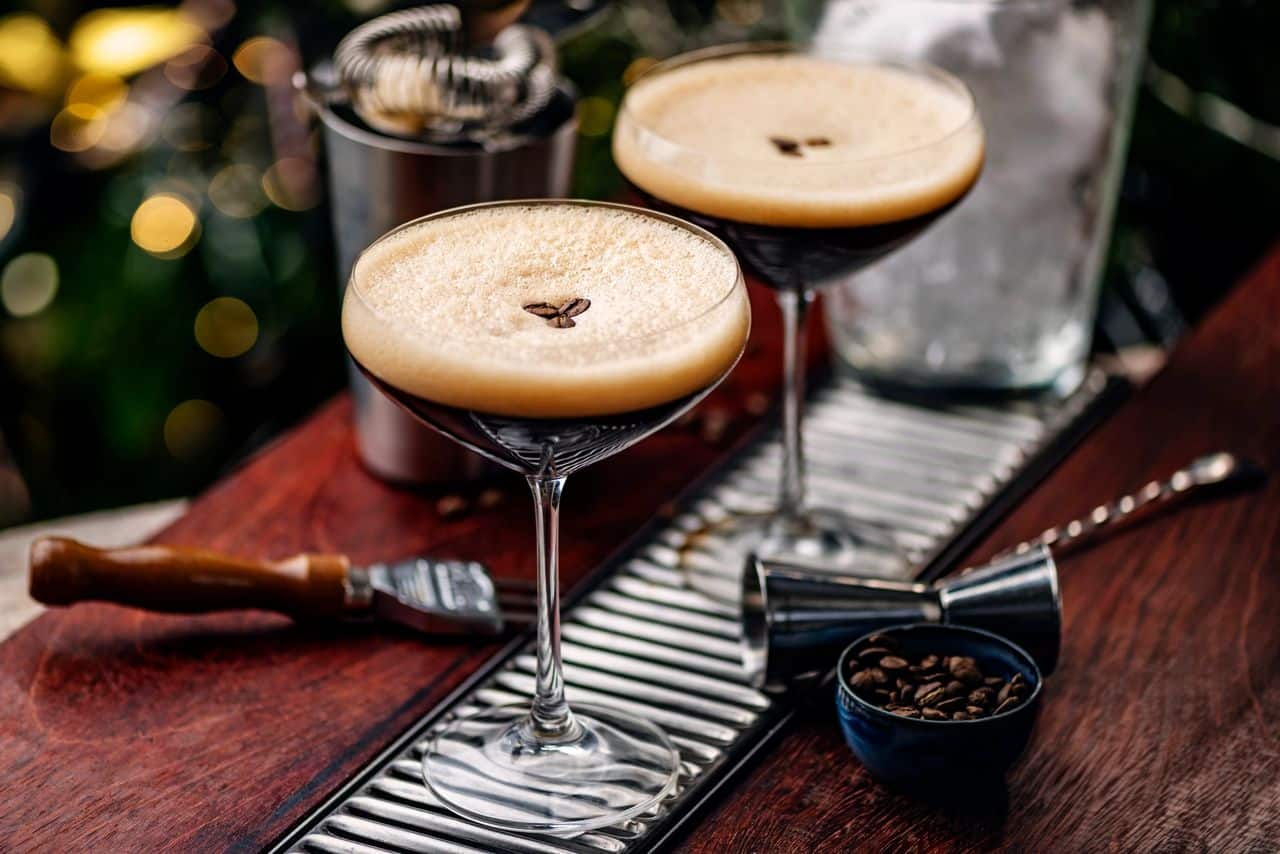
The five best coffee cocktails to make at home are the Espresso Martini, Irish Coffee, Cold Brew Negroni, Coffee Old Fashioned, and Café Amaretto — each one balancing bold coffee with spirits. Here are the recipes, all better with fresh, high-quality beans. Coffee cocktails have exploded over the last decade,…
Getting your morning brew right starts with one question: how many tablespoons of coffee for 4 cups should you actually use? The short answer is 8 tablespoons of coffee grounds for 4 cups (32 ounces) of water — but the right amount can shift slightly depending on your taste, brewing…
Quick answer: to make cold brew at home, combine coarse-ground coffee and cold water at about a 1:4 ratio (for concentrate), steep 12–24 hours in the fridge or at room temperature, then strain. Dilute the concentrate with water or milk over ice to taste. It’s smoother, richer, and less acidic…
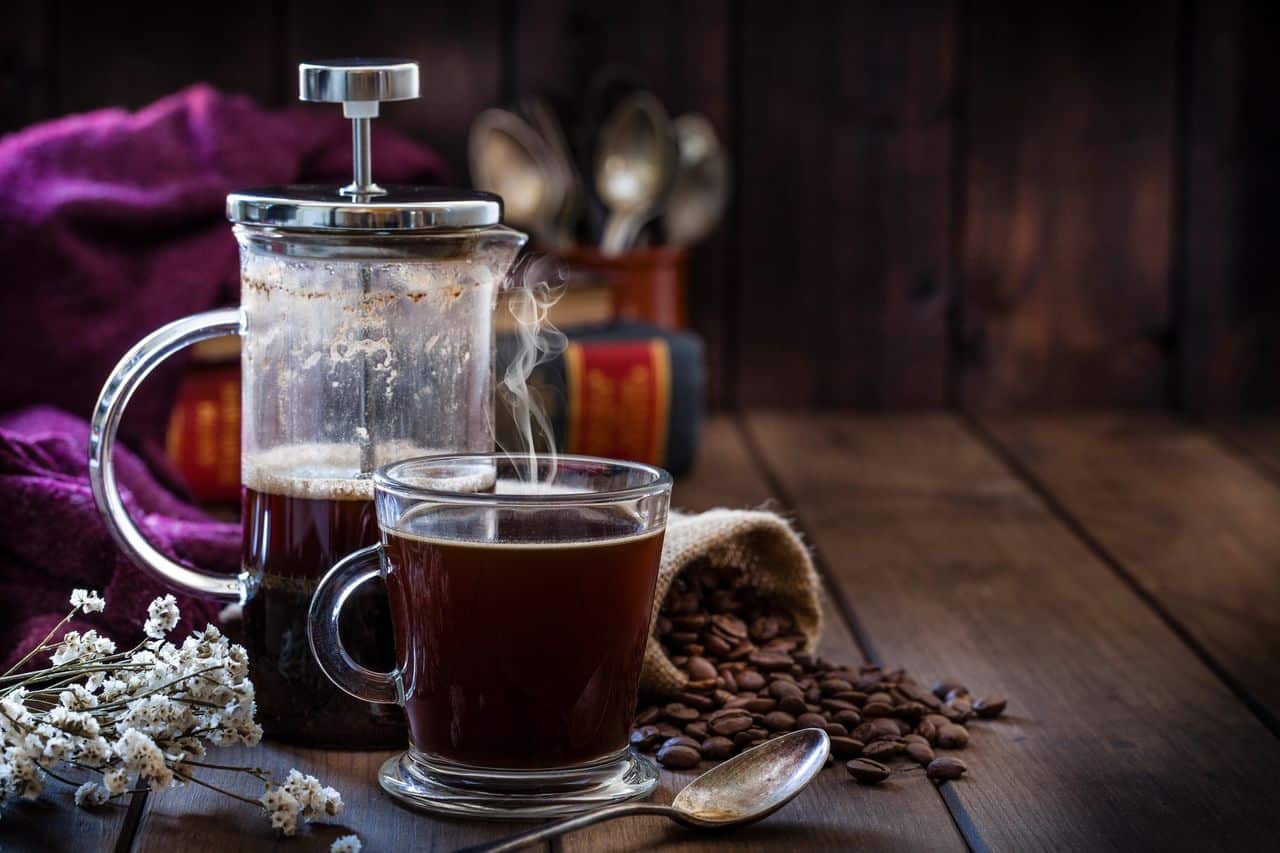
The French press traces back to an 1852 French patent for a piston-style coffee filter, was refined by a Milanese company in the late 1920s and 1930s, and became popular in American coffee culture in the 1980s. Here’s the story behind one of coffee’s most enduring brewers. Few devices hold…
The roast level of your coffee has a huge effect on how it tastes. Light roasts are bright, fruity, and acidic; medium roasts are balanced, sweet, and nutty; dark roasts are bold, smoky, and low in acidity. This guide breaks down all three roast levels so you can pick the…
Coffee roasting transforms green beans into brown, aromatic ones over about 10–15 minutes: the roaster removes moisture, triggers the Maillard reaction and caramelization, hits “first crack,” then develops the roast to the target level. How long the roaster goes past first crack is what makes a coffee light, medium, or…