
Grinding coffee beans fresh — right before you brew — preserves the oils and aromatics that give coffee its flavor, which pre-ground coffee loses within minutes. A burr grinder and the right grind size for your method make the biggest difference. Here’s how to grind fresh, choose a grinder, and avoid common mistakes.
Why Grind Fresh
Freshness plays a huge role in how coffee tastes. Grinding just before brewing unlocks the natural oils and aroma behind coffee’s signature flavor, while pre-ground coffee loses its scent and taste quickly as oxygen breaks down those compounds. Whole beans stored properly in an airtight container stay fresh for weeks; pre-ground starts fading within days. If you love the smell and taste of good coffee, grinding your own is worth it — whether you’re pulling a bold espresso or steeping a smooth French press.

Grind Size Quick Reference
Grind size affects taste, strength, and clarity, and each brewing method has a sweet spot. Too coarse and coffee comes out weak; too fine and it turns bitter. Here’s the short version:
- Extra coarse: cold brew
- Coarse (like sea salt): French press
- Medium (like sand): drip coffee makers and pour-over
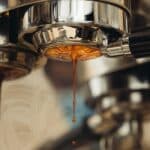
- Fine: espresso machines
- Extra fine (powdery): Turkish coffee
For the full visual breakdown by method, see our coffee grind size chart.
Choosing a Grinder
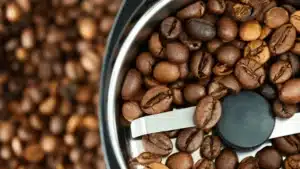
Blade vs. burr: blade grinders are affordable and easy but produce uneven grounds; burr grinders crush beans between two burrs for consistent results and better flavor control. Manual vs. electric: manual grinders are quiet and portable but take effort, while electric grinders are faster and better for frequent brewing. And budget options can still perform well if you adjust grind time and clean them regularly — consistency matters more than cost. Shopping for one? See our grinder guide.
Step by Step: Grinding at Home
- Choose quality beans: fresh, whole beans with a visible roast date beat anything that’s sat on a shelf for months.
- Measure: a common ratio is 2 tablespoons of coffee per 6 oz of water.
- Set your grinder: match the grind size to your method — coarse for French press, fine for espresso.
- Grind evenly: with a blade grinder, pulse in short bursts to avoid overheating; with a burr grinder, let it run steadily.
- Store what you don’t use: keep it airtight, away from light and heat.
Common Mistakes to Avoid
Over- or under-grinding makes coffee harsh or weak — test settings to find the middle ground. Using the wrong grind size for your method causes bitterness or sourness. And not cleaning your grinder lets old residue and oils spoil the flavor — clean it regularly to keep every batch fresh.

No Grinder? No Problem
You can still get a decent grind with common kitchen tools — a blender or food processor (pulse small amounts), a rolling pin (crush beans in a zip bag), a mortar and pestle (great control), or even a mallet in a pinch. For the full technique on each, see our dedicated guide to grinding coffee without a grinder.
How Long Does Ground Coffee Stay Fresh?
Once ground, coffee begins losing freshness within hours, so use it within a few days for the best flavor. Signs it’s fading: a dull, flat aroma; weak flavor even at the right ratio; and a stale or sour aftertaste. To keep it lively, store ground coffee in an airtight container in a cool, dark place, avoid refrigerating (moisture hurts it), and grind in smaller batches. Our storage guide goes deeper.
Expert Tips
Every machine is a little different, so experiment with grind settings until you hit your ideal flavor. Clean and maintain your grinder — wipe the blades or burrs after each use and deep-clean weekly if you brew daily. And remember that even the best grinder can’t fix low-quality beans: fresh, medium-roast Arabica gives a rich, balanced cup when ground right.
Frequently Asked Questions
What’s the best way to grind at home?
A burr grinder — it creates even grounds and lets you dial in the grind size.
Can I grind without a grinder?
Yes — a blender, rolling pin, or mortar and pestle all work. See our no-grinder guide.
How fine should I grind for espresso?
Fine, similar to table salt, so the pressure builds correctly for proper extraction.
Should I grind all my beans at once?
No — grind only what you need per brew. Small batches keep your coffee far more flavorful.
Grinding might seem like a small detail, but it changes everything about your cup. Grind fresh, match the size to your method, and start with quality beans. Shop fresh-roasted whole beans, roasted to order in Concord, CA, and grind your way to a better cup.
Sources & Citations
- Food Research International — Ground coffee loses a large share of its volatile aromatics within minutes of grinding
- Journal of Food Engineering — Whole bean retains freshness significantly longer than pre-ground