If your coffee tastes bitter, the beans usually aren’t the problem — the extraction is. Bitterness is what happens when hot water pulls too much out of the grounds, and the two things that cause it most often are a grind that’s too fine and a roast that’s darker than you actually want. Both are fixable in about five minutes.
I’ve been roasting to order in Concord, California since 2021, and “my coffee tastes bitter” is far and away the most common message that lands in my inbox. Here’s the exact diagnostic I walk customers through, in the order I do it.
The Short Answer: Bitter Coffee Is Over-Extracted Coffee
Coffee grounds release their compounds in a rough sequence. Acids and fruit notes come out first. Sugars and caramel notes come next. Bitter compounds — chlorogenic acid lactones, phenylindanes, and the dry, woody stuff nobody wants — come out last.
Stop the extraction too early and the cup tastes sour and thin. Let it run too long and you pull the bitter compounds into the cup on top of everything else. Bitter means you extracted too much. Every fix below is really the same fix: slow the extraction down.
First, Make Sure It’s Actually Bitter and Not Sour
This trips up more people than anything else, and getting it backwards means you’ll “fix” your coffee in exactly the wrong direction. Sour and bitter are opposite problems with opposite solutions.
| What you taste | What it means | Which way to go |
|---|---|---|
| Sharp, tangy, puckering — like lemon juice or an unripe apple. Hits the sides of your tongue. | Under-extracted | Grind finer, brew longer, or use hotter water |
| Harsh, dry, ashy, lingering. Sits at the back of your tongue and won’t leave. | Over-extracted | Grind coarser, brew shorter, or use cooler water |
| Thin and watery with no real flavor either way | Not enough coffee | Fix your coffee-to-water ratio first |
A quick trick: let the cup cool to room temperature. Sourness gets more obvious as coffee cools. Bitterness gets harsher and drier. If the cold cup makes you wince at the back of your throat, you’re over-extracting.
How I Diagnose Bitter Coffee at the Roastery
When someone tells me their coffee is bitter, I don’t start with brewing advice. I start by ruling out my own work, because it’s the one variable the customer can’t control.
Step One: Was the Coffee Over-Roasted?
An over-roasted bean is bitter no matter how carefully you brew it. Once you push past the point where sugars caramelize and start carbonizing them instead, that flavor is baked in permanently.
Here’s what I actually drop at, by roast level:
| Roast level | Drop temperature | Bitterness risk |
|---|---|---|
| Light | 400–405°F | Very low — sourness is the more likely complaint |
| Medium | 410–420°F | Low |
| Medium-Dark | 435–440°F | Moderate — the sweet spot for most people |
| Dark | 450–460°F | Higher — roast character starts dominating origin character |
| “Call the Fire Department” | 465°F+ | High, and entirely on purpose |
Notice the gap between medium-dark and dark is only about 15 degrees. That’s how narrow the window is. If you bought dark roast because you assumed dark means strong, that’s very likely your bitterness — and it’s worth reading our breakdown of light vs. medium vs. dark roast before you order again. Dark roast isn’t stronger. It isn’t higher in caffeine either. It’s just roasted further.
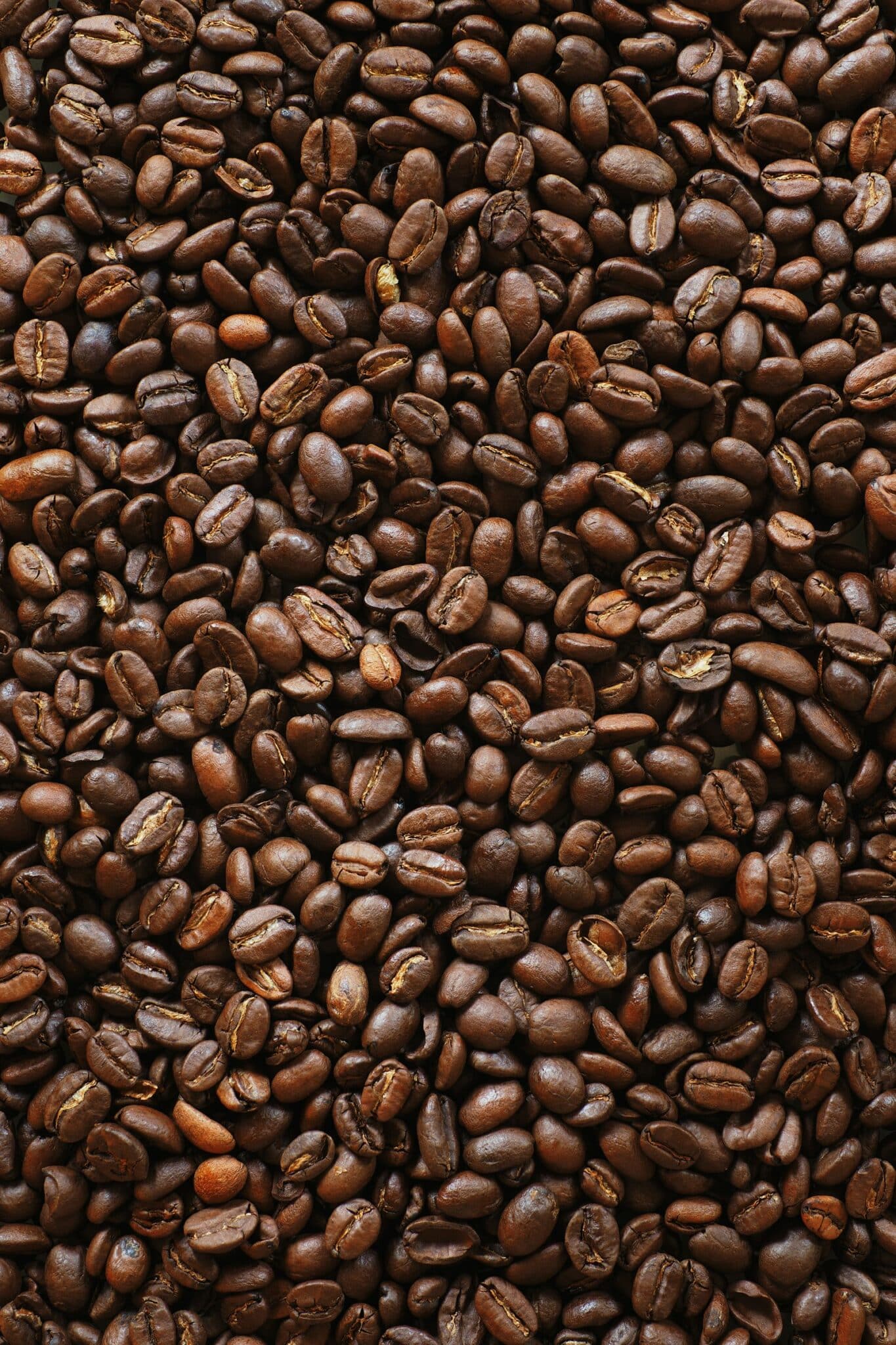
Look at your beans. If they’re glossy with oil and almost black, you’re drinking a dark roast. If they’re matte brown, you’re not, and the bitterness is coming from somewhere else.
Step Two: Check Your Grind
If the roast checks out, the grind is the culprit almost every time. This is the single most common fix I give, and it’s a one-sentence instruction: grind a little coarser and taste again. Repeat until it’s right.
Grind size controls surface area. Finer grounds expose more surface to water, so extraction happens faster. Push it too far and you blow past the sweet spot into bitterness before the brew is even done. Our full coffee grind size chart maps every brewer to its target grind, but the short version is that most people grind too fine for their method — especially French press and drip.
Adjust in small steps and give each one a full brew before judging it. Espresso needs tiny adjustments; French press and cold brew tolerate bigger jumps.
The Seven Real Causes of Bitter Coffee
1. Your Grind Is Too Fine
The most common cause by a wide margin. Coarser grind, less surface area, slower extraction, less bitterness. If you’re using a blade grinder, part of your problem is that it produces both dust and boulders at once — the dust over-extracts while the boulders under-extract, and you taste both in the same cup. A burr grinder fixes this permanently.
2. You’re Brewing Too Long
Every method has a window. French press wants four minutes, not ten. Pour-over drip should finish in three to four minutes. If your French press sits on the counter with the grounds still in it, you’re extracting the whole time — decant it into another vessel the moment you press.
3. Your Water Is Too Hot
Above roughly 205°F, water starts scorching the grounds and pulling bitter compounds aggressively. The Specialty Coffee Association puts the brewing range at 195–205°F. Boiling water is 212°F — pouring it straight onto grounds is a reliable way to make bitter coffee. Let the kettle rest about 30 seconds off boil.
4. You’re Using Too Much Coffee
More grounds in the same water means the water has to work harder through more material, and extraction runs long. Eight level tablespoons per 32 oz of water is the standard. If you’ve been eyeballing it and drifting upward, that’s a likely contributor.
5. The Roast Is Darker Than Your Palate Wants
Covered above, but worth repeating because it’s the one people resist. If you like coffee that tastes smooth and sweet rather than bold and smoky, a medium roast of the same bean will make you much happier. Roast level at Berk’s Beans is chosen by you, not fixed by us — the same Colombian can arrive light, medium, or dark depending on what you ask for.
6. Your Coffee Is Stale
Stale coffee doesn’t taste bitter in the over-extracted sense so much as flat, cardboardy, and unpleasantly dry — and most people call that bitter. Coffee peaks roughly 7 to 21 days after roasting. Ground coffee falls off in days, not weeks. If your bag has no roast date on it, you have no idea where in that window you are, which is most of the argument for buying from a roaster instead of a shelf. Our guide to storing coffee for freshness covers the rest.
7. Your Equipment Is Dirty
Coffee oils go rancid. They build up in the basket, the carafe, the shower screen, the grinder burrs — everywhere. Rancid oil tastes bitter and it contaminates every brew until you clean it out. If your coffee turned bitter and nothing else changed, this is the first thing to check. Descale drip machines and Keurigs regularly; we have a walkthrough on descaling with vinegar.
Quick Fixes by Brewing Method
| Method | Most likely cause | First thing to try |
|---|---|---|
| Drip coffee maker | Grind too fine, dirty machine | Go one step coarser; descale the machine |
| French press | Grind too fine, steeping too long | Coarse grind, 4 minutes, decant immediately |
| Pour-over | Water too hot, pouring too slowly | Rest the kettle 30 seconds; finish in 3–4 minutes |
| Espresso | Grind too fine, dose too high | Coarsen slightly; target a 25–30 second shot |
| Moka pot | Too much heat, grind too fine | Medium-fine grind, medium heat, pull it off when it starts sputtering |
| Cold brew | Grind too fine, steeping too long | Extra-coarse grind, cap the steep at 24 hours |

Beans That Are Hard to Make Bitter
Some coffees are simply more forgiving. If you’ve been fighting bitterness and want a bean that doesn’t punish small mistakes, start with low-acid, chocolate-forward, nutty origins in a medium roast:
- Brazil Cerrado — smooth and low in acidity, with milk and dark chocolate, roasted walnut and peanut, and sweet caramel. It takes any roast level well, which makes it an unusually good test bean.
- Colombia Supremo 17/18 — chocolate, nutty, and sweet. Straightforward and very hard to ruin.
- Guatemala: La Flor Del Cafe, Antigua — rich dark chocolate aroma, low to medium acidity, full body, well balanced.
- “Morning Motivation” Breakfast Blend — chocolate, caramel, stone fruits, citrus, honey, nuts, and floral sweetness in a medium roast.
Browse the full lineup by growing region — South America, North & Central America, Africa, Asia, or Blends & Seasonal. Everything is roasted to order and ships within 72 hours, so it reaches you inside that 7-to-21-day window rather than months past it. If you want to try several without committing, we offer 6 oz sample sizes.
Still Bitter? Taste It Side by Side
Reading about extraction only gets you so far. Tasting the same bean at two roast levels, or the same roast at two grind settings, teaches it in about ten minutes. That’s most of what we do in our private coffee tastings in Concord — regional differences, brewing technique, grind comparisons, and what actually changes between roast levels, with the roaster right there. If you’re anywhere in the East Bay, it’s the fastest way to stop guessing.
Frequently Asked Questions
Why does my coffee taste bitter all of a sudden?
If nothing about your beans or recipe changed, suspect your equipment first. Rancid coffee oils build up in baskets, carafes, and grinder burrs and turn every brew bitter. Worn grinder burrs are the second suspect — as they dull they produce more fine dust, which over-extracts. Clean everything thoroughly, then check whether your beans have simply aged past their freshness window.
Does dark roast coffee taste more bitter?
Generally yes. Darker roasts carry more roast-derived bitter compounds and less of the origin’s natural sweetness and acidity. At Berk’s Beans, dark roast drops at 450–460°F versus 410–420°F for medium. If you find dark roast harsh, try the same bean at medium — the coffee itself is often not the problem.
Should I grind coarser or finer if my coffee is bitter?
Coarser. Bitterness means over-extraction, and a coarser grind reduces surface area so water pulls less from the grounds. Adjust one step at a time and taste after each change. If the coffee turns sour and thin instead, you went too far — come back finer by half a step.
What water temperature stops coffee from tasting bitter?
Stay between 195°F and 205°F, the range the Specialty Coffee Association recommends. Boiling water at 212°F scorches the grounds and extracts bitter compounds fast. Without a thermometer, boil the kettle and let it rest about 30 seconds before pouring.
Can old coffee beans make coffee bitter?
Yes. Stale coffee loses its aromatic oils and sweetness, leaving a flat, dry, cardboard-like harshness most people describe as bitter. Whole beans hold their peak roughly 7 to 21 days after roasting; ground coffee fades within days. Always buy with a visible roast date.
Why is my French press coffee so bitter?
Almost always grind size and steep time. French press needs a coarse grind — think kosher salt — and a four-minute steep. Fine grounds slip through the mesh and keep extracting in the cup. Decant the coffee into a separate carafe right after pressing, because leaving it on the grounds keeps extracting it.
The One-Minute Version
Bitter coffee is over-extracted coffee. Grind coarser first — that fixes it most of the time. If that doesn’t do it, drop your water temperature, shorten your brew, and clean your equipment. If it still tastes harsh, the roast is probably darker than your palate wants, and a medium roast of the same origin will taste like a completely different coffee.
And if the beans themselves are the problem, we can help with that too. Order fresh-roasted coffee from our Concord roastery, roasted the day it ships.
#BerksBeans #FreshRoastedCoffee #BitterCoffee #CoffeeTips #SpecialtyCoffee #ConcordCA #BayAreaCoffee #CoffeeRoaster #BrewBetterCoffee #CoffeeExtraction #RoastToOrder #EastBayEats