The coffee market has swung hard over the past 18 months — from an all-time price record to a sharp correction and back into volatile territory. Here’s an updated 2026 snapshot of where Arabica and Robusta stand, what’s driving them, and where analysts think prices go next. Where Prices Stand…
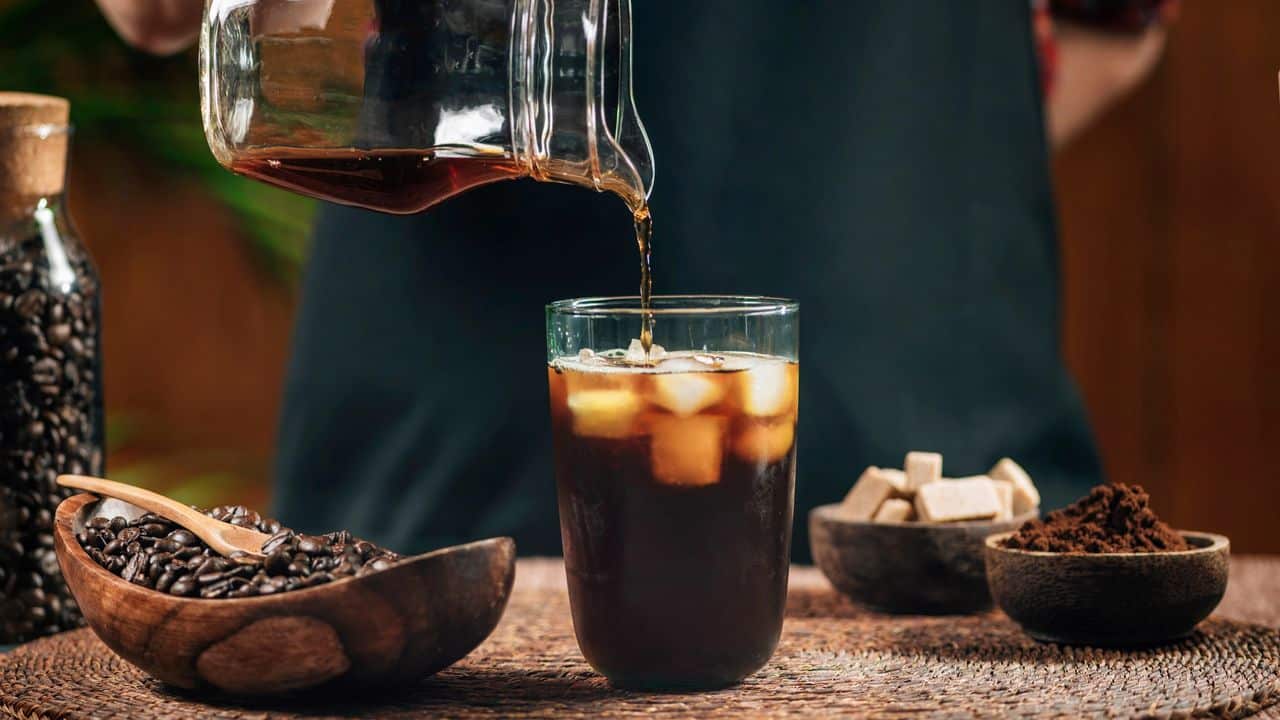
The cold brew vs iced coffee difference comes down to brewing time, temperature, and taste. Coffee lovers everywhere enjoy a refreshing cold coffee drink, but many don’t fully understand the difference between cold brew coffee and iced coffee. While they may look similar in your cup, these two popular beverages…
Three main things determine how much caffeine is in your cup: the bean type (Robusta has roughly double the caffeine of Arabica), how the coffee is measured after roasting, and your brewing method. Here’s how each one works so you can dial in your caffeine. Bean Type Matters Most The…
The best time to drink coffee for maximum benefits is generally mid-to-late morning — roughly 9:30 to 11:00 a.m. — once your body’s natural cortisol rhythm has settled. Coffee is more than a beverage; it’s a daily ritual. But timing it well can mean better energy, fewer jitters, and even…
Why is coffee so expensive right now? In short: a stretch of weather-damaged harvests in Brazil and Vietnam sent green coffee to record prices, and even though supply is now recovering in 2026, low inventories, rising shipping costs, and steadily growing global demand are keeping your cup pricier than it…
Getting your morning brew right starts with one question: how many tablespoons of coffee for 4 cups should you actually use? The short answer is 8 tablespoons of coffee grounds for 4 cups (32 ounces) of water — but the right amount can shift slightly depending on your taste, brewing…
For most healthy adults, up to about 400 mg of caffeine per day — roughly 4 cups of brewed coffee — is considered safe by the FDA. Beyond that, you’re more likely to run into jitters, sleep problems, and a racing heart. But the “right” number depends on your body…
Quick answer: a standard 8 oz cup of drip coffee has about 95 mg of caffeine, a single espresso shot about 63 mg, and a 12 oz cold brew anywhere from 150 to 240 mg. But the exact number depends on the bean, roast, brew method, and serving size. Here’s…
The “Coffee Belt” is the equatorial zone between the Tropics of Cancer and Capricorn where the world’s coffee is grown — more than 70 countries with the right mix of temperature, altitude, and rainfall. Where a coffee comes from shapes how it tastes, and the Belt breaks down into three…
Quick answer: to make cold brew at home, combine coarse-ground coffee and cold water at about a 1:4 ratio (for concentrate), steep 12–24 hours in the fridge or at room temperature, then strain. Dilute the concentrate with water or milk over ice to taste. It’s smoother, richer, and less acidic…