
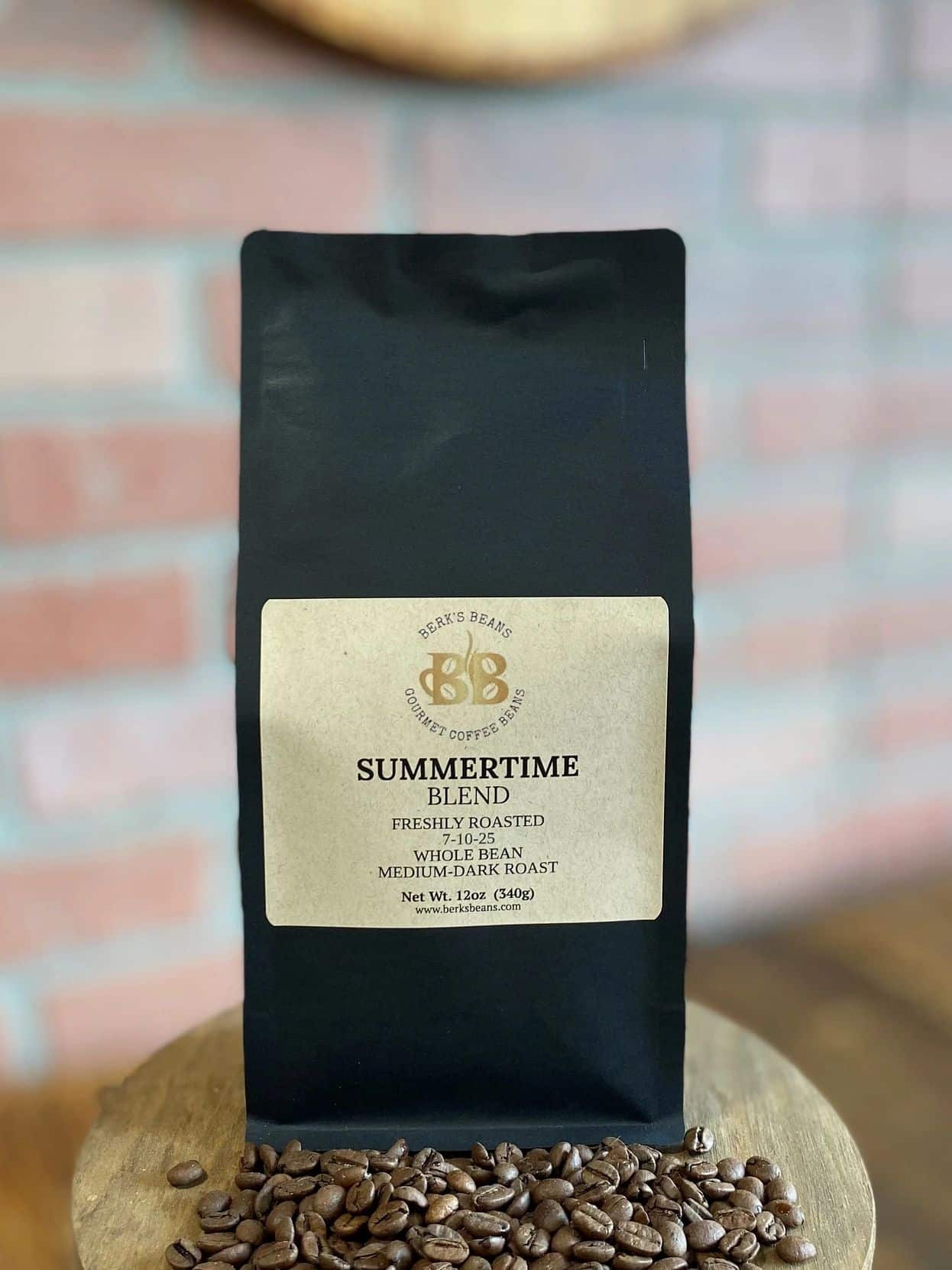
Quick answer: store roasted coffee beans in an airtight, opaque container in a cool, dark, dry spot — away from air, light, heat, and moisture. Buy only what you’ll use in one to two weeks, grind just before brewing, and skip the fridge. Here’s everything that goes into keeping your beans at peak flavor.
There’s nothing quite like coffee brewed from premium, freshly roasted beans — but that rich flavor is fleeting. Without proper storage, even the finest beans go flat. This guide covers the best practices, the mistakes to avoid, and how long beans really last.
Why Coffee Bean Storage Matters
Freshly roasted beans are packed with volatile oils and aromatic compounds that give each cup its signature taste. Those compounds are delicate and highly susceptible to their environment. Exposure to air, moisture, heat, and light rapidly degrades quality, leaving you with a stale, flat, or bitter brew. Proper storage isn’t a nice-to-have — it’s how you get the full spectrum of flavor your beans have to offer.
The Four Main Threats to Coffee Freshness
- Oxygen: Oxidation is the fastest route to stale coffee. Once beans hit air, their flavorful oils start breaking down.
- Moisture: Coffee is hygroscopic — it absorbs moisture from the air, which causes clumping, mold, and lost flavor.
- Heat: High temperatures evaporate the oils that carry flavor and aroma.
- Light: UV rays degrade organic compounds, leaving a flat, lifeless taste.
Best Practices for Storing Fresh Roasted Coffee Beans

1. Use an airtight, opaque container
The best way to protect beans from oxygen and light is an airtight, light-blocking container — ideally with a one-way CO₂ valve that lets roasting gases escape without letting air in. Good options include stainless steel vacuum canisters, ceramic jars with rubber gaskets, or specialized airtight coffee storage containers like the Airscape. Avoid clear glass or plastic unless it lives in a dark cupboard.
2. Keep beans in a cool, dry place
Temperature swings and humidity are enemies of freshness. Store beans in a cool, dry pantry or cupboard, away from ovens, stovetops, and windows. Aim for roughly 60–75°F (15–24°C).
3. Skip the freezer (seriously)
It’s a common myth that freezing extends shelf life for daily use. Freezers introduce moisture and cause condensation every time beans go in and out. If you must freeze for long-term storage, use vacuum-sealed bags, freeze in small single-use portions, and never refreeze once thawed.
4. Buy smaller quantities more often
Freshness peaks within 7–14 days of roasting, so buy only what you’ll use in one to two weeks. Buying fresh-roasted-to-order (rather than bags that have sat on a shelf) makes the biggest difference of all.
5. Grind just before brewing
Grinding exposes far more surface area to oxygen, so ground coffee stales in minutes rather than days. Grind right before brewing, ideally with a burr grinder for consistent particle size — see our coffee grind size chart.
Common Mistakes to Avoid
- Leaving beans in the original bag: most retail bags aren’t airtight once opened — transfer to a proper container.
- Using clear containers: light exposure degrades flavor. Choose opaque.
- Storing near heat or moisture: avoid cabinets above the stove or beside the dishwasher.
- Over-buying: unless you brew for a crowd, big quantities go stale before you finish them.
Bonus Tips for Coffee Enthusiasts
Track the roast date. Beans are typically best between days 3 and 14 after roasting — that window lets CO₂ degas while flavor stays at its peak. This is the heart of the 15 Rule for coffee. Explore single-origin beans, whose distinct flavor profiles shine when fresh. Note that roast levels age differently — light roasts lose brightness faster, dark roasts hold boldness a bit longer. And a coffee scale helps you brew consistently once your beans are stored right.
How Long Do Coffee Beans Stay Fresh?
- Peak flavor: 3–14 days after roasting
- Good quality: up to 4 weeks if stored properly
- Drinkable but diminished: 1–2 months
- Stale: 2+ months, especially if exposed to air or light
These are guidelines — your taste buds are the final judge.
Frequently Asked Questions
Should you store coffee beans in the fridge?
No. The fridge introduces moisture and odors, and repeated temperature changes cause condensation. A cool, dark cupboard is better; the freezer is only for long-term storage in vacuum-sealed portions.
What is the best container for coffee beans?
An airtight, opaque container, ideally one with a one-way CO₂ valve. Stainless steel or ceramic canisters and dedicated coffee vaults like the Airscape work well.
Can I store coffee beans in the original bag?
Only while it’s unopened and sealed. Once you open it, most retail bags aren’t airtight, so transfer the beans to a proper container.
Where is the best place to store coffee?
A cool, dark, dry cupboard away from heat sources, windows, and moisture — not on the counter in sunlight or above the stove.
Make Every Cup Count
Storing beans well is one of the easiest ways to upgrade your coffee. A few simple habits — airtight containers, no freezer, grind only what you need — preserve the nuanced flavors that make specialty coffee special. At Berk’s Beans Coffee, we roast to order so your beans start at their peak. Explore our latest roasts, roasted fresh in Concord, CA.
Sources & Citations
- SCA Brewing Guidelines — peak flavor window post-roast for most origins
- Food Research International — ground coffee loses volatile aromatics within minutes
- Postharvest Biology and Technology — oxidation accelerated by heat, light, moisture, and oxygen


