
The best coffee maker depends on your routine: drip machines for easy multi-cup mornings, single-cup brewers for speed, espresso machines for café-style drinks, and French press or pour-over for hands-on control. Whatever you brew with, the machine is only half the equation — fresh, quality beans are the other half. Here’s how to choose.
Popular Types of Coffee Maker
Drip machine
The most common design: water heats, passes through ground coffee in a filter, and drips into a pot. Ideal for families and offices since it brews several cups at once. Pair it with the best beans for drip.
Single-cup brewer
A compact model that uses pods or capsules to brew one serving at a time — fast, convenient, and easy to clean for busy mornings.
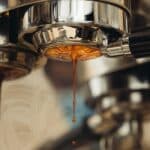
Espresso machine
Pushes hot water through finely ground beans under pressure for a strong, concentrated shot — the base for lattes, cappuccinos, and macchiatos. See the best beans for espresso.
French press
A manual brewer that steeps coarse grounds in hot water, then separates them with a plunger for a full-bodied, rich cup.
Pour-over brewer
Pour-over gives you the most control — slowly pouring hot water over the grounds for balanced extraction and clean flavor. Here’s how to make pour over coffee.
Cold brew device
Soaks coarse grounds in cold water for 12–24 hours, producing smooth, low-acid coffee that’s perfect for summer. See our cold brew recipes.
How a Coffee Maker Works
The machine heats water, which flows evenly over ground coffee, extracts the flavor compounds, and drips into a cup or carafe. The result depends on grind size, water temperature, and brew time — balancing those three is what gives you rich taste and aroma.
How to Choose the Right Coffee Maker

- Capacity: single-serve for one person, or a large drip brewer for a household.
- Ease of use: automatic models simplify brewing; manual brewers give you control.
- Cleaning: look for removable filters and easy-to-wash parts.
- Budget: affordable drip systems vs. premium espresso setups.
- Durability: stainless steel and BPA-free designs last longer.
Popular Coffee Maker Brands
| Brand | Known for |
|---|---|
| Breville | Professional-quality espresso machines |
| Keurig | Quick, single-cup pod brewers |
| Cuisinart | Reliable, programmable drip systems |
| Nespresso | Compact capsule-based espresso |
| De’Longhi | Durable, all-round home machines |
Maintenance and Cleaning
Rinse removable parts after each brew and descale monthly with vinegar or a descaling solution. Use filtered water to prevent mineral buildup — clean machines brew better coffee and last longer. Eco-conscious options include reusable filters, energy-saving settings, and compostable pods; manual brewers like French press and pour-over need no power at all.
Common problems and quick fixes
- Weak flavor: use a finer grind or hotter water.
- Bitter taste: shorten brew time or coarsen the grind.
- Slow brewing: clean the filter and descale.
- Leaks: check the gasket or carafe alignment.
Coffee Maker FAQ
Which coffee maker is best for home use?
For most people, a drip coffee maker is the easiest and most reliable starting point, with minimal effort and consistent results.
How long does a coffee maker last?
Most last five to ten years with regular cleaning and descaling.
Can I use tap water?
You can, but filtered water improves flavor and reduces mineral buildup inside the machine.
What’s the difference between espresso and drip coffee?
Drip machines use gravity for a lighter cup, while espresso machines use pressure for a rich, concentrated shot.
Whichever maker you choose, it’s only as good as the beans you put in it. Keep it clean, use fresh coffee, and enjoy the reward. Explore our roasts, roasted to order in Concord, CA.